Gutter Downspout Unclogging in Long Island, NY
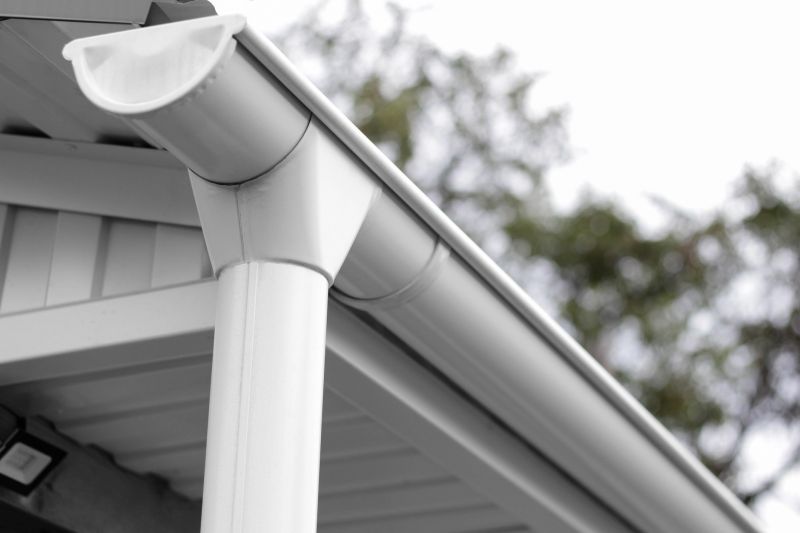
Gutter downspout unclogging services focus on removing blockages from the vertical pipes that direct rainwater away from a property’s foundation. This service typically covers clearing debris such as leaves, dirt, and nests that can cause water to back up or overflow, potentially leading to water damage or foundation issues. Homeowners often request this service when they notice water spilling over the sides of gutters, pooling around the foundation, or experiencing overflowing downspouts during or after storms.
Before requesting gutter downspout unclogging, property owners usually want to understand the extent of the blockage and whether any repairs are needed afterward. It’s helpful to know if the downspouts are properly connected and directing water away from the building’s foundation, as well as if any damage has occurred to the pipes or the surrounding area. Clarifying these details can ensure the service addresses current issues and helps prevent future water-related problems.
Many property owners in Long Island, NY look into Gutter Downspout Unclogging for repairs, replacements, upgrades, and appearance-related improvements.
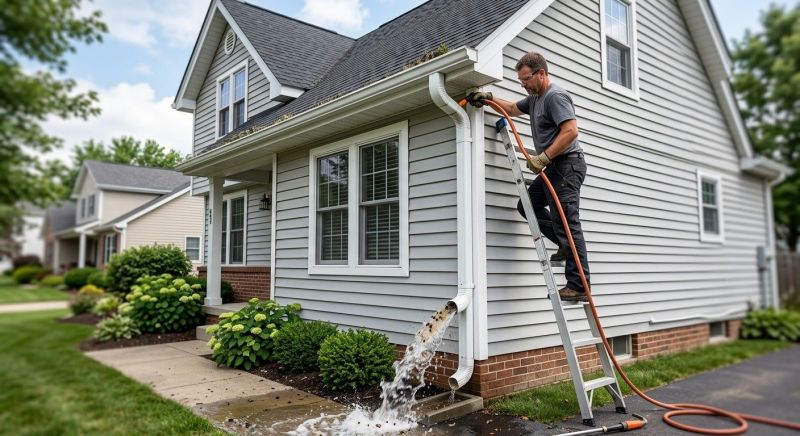
Gutter Downspout Clogging Solutions
Effective clearing prevents water damage and protects your property.
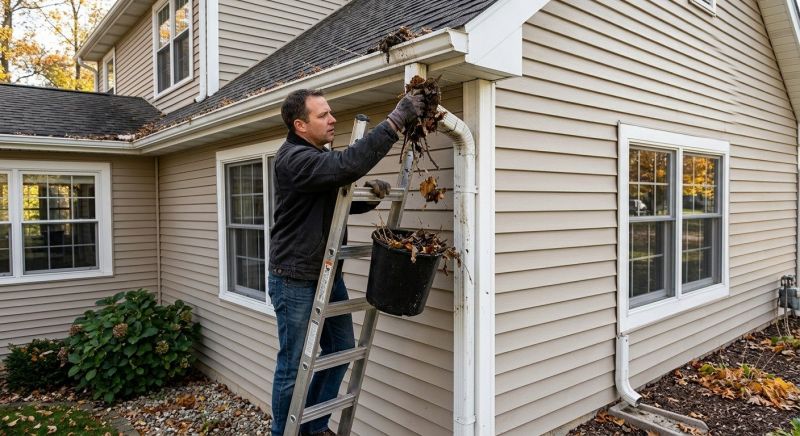
Signs Of Downspout Blockages
Visible overflow or pooling around the foundation can indicate clogs.
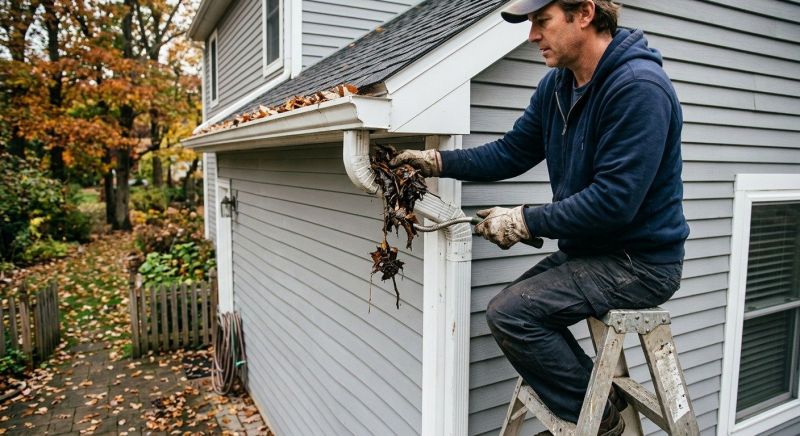
Maintenance For Long Island Homes
Regular inspections help keep downspouts functioning properly during heavy rains.
Gutter Downspout Unclogging in Long Island, NY

Gutter downspout unclogging services focus on removing blockages from the vertical pipes that direct rainwater away from a property’s foundation. This service typically covers clearing debris such as leaves, dirt, and nests that can cause water to back up or overflow, potentially leading to water damage or foundation issues. Homeowners often request this service when they notice water spilling over the sides of gutters, pooling around the foundation, or experiencing overflowing downspouts during or after storms.
Before requesting gutter downspout unclogging, property owners usually want to understand the extent of the blockage and whether any repairs are needed afterward. It’s helpful to know if the downspouts are properly connected and directing water away from the building’s foundation, as well as if any damage has occurred to the pipes or the surrounding area. Clarifying these details can ensure the service addresses current issues and helps prevent future water-related problems.
Many property owners in Long Island, NY look into Gutter Downspout Unclogging for repairs, replacements, upgrades, and appearance-related improvements.
Common Gutter Downspout Unclogging Jobs
Gutter Downspout Unclogging Services - Clearing blockages to ensure proper water flow away from the property.
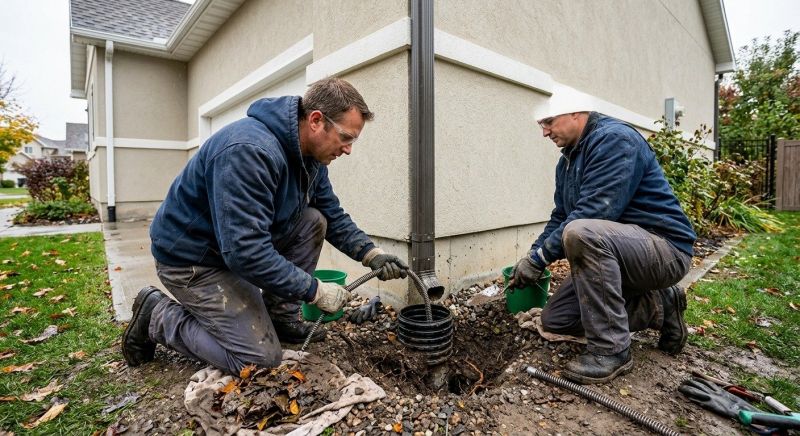
Clog removal for residential downspouts - Removing debris that causes water to back up and overflow.
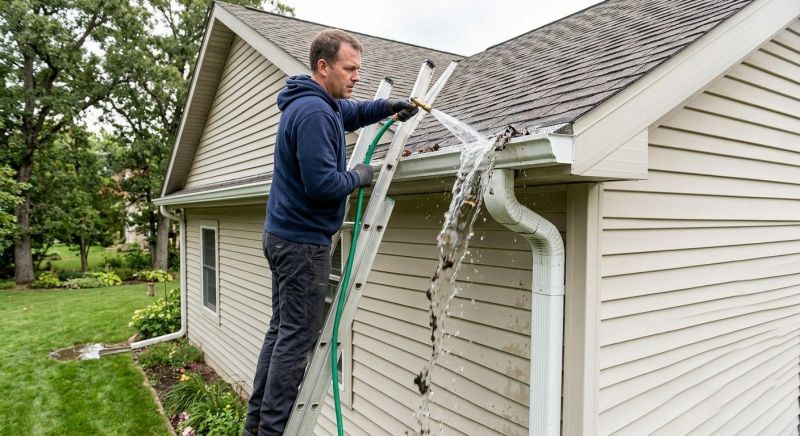
Downspout flushing and cleaning - Using specialized tools to clear stubborn obstructions inside the pipes.
Inspection of downspout systems - Identifying potential issues that could lead to future clogs or damage.
Replacement of damaged or broken downspouts - Installing new sections to restore effective drainage.
Preventative maintenance for gutter systems - Regular cleaning to reduce the risk of future clogs and water damage.
Gutter Downspout Unclogging Questions
What causes gutter downspouts to clog? Leaves, debris, and dirt often block downspouts, especially during seasonal changes or storms.
How can clogged downspouts affect a property? They can cause water overflow, damage to fascia and siding, and potential foundation issues.
What are common signs of a clogged downspout? Water spilling over the sides, reduced flow, or visible debris at the outlet indicate clogs.
What situations typically require professional unclogging services? Persistent blockages, buildup of debris, or inaccessible locations often need expert assistance.
Request Gutter Downspout Unclogging in Long Island, NY
Use the quote form on this page to share the basics of your project and request more information for the type of work you need.